Short answer: Good email marketing for a UK small business comes down to five things done consistently: building a list of people who actually want to hear from you, sending relevant messages rather than one size fits all newsletters, automating the moments that matter (welcome, abandoned cart, re engagement), staying on the right side of UK GDPR and PECR rules, and measuring results by revenue and engagement rather than vanity metrics like list size. Most small businesses already do one or two of these well. Doing all five consistently is what separates email marketing that quietly compounds over time from email marketing that gets ignored.
Start with permission, not just addresses
The foundation of good email marketing is a list built on genuine interest, not one padded out with old contacts, purchased addresses, or people who ticked a box without really noticing.
For a UK small business, this matters for two reasons. First, UK GDPR and the Privacy and Electronic Communications Regulations (PECR) require clear consent for most marketing emails, and getting this wrong risks complaints and fines. Second, and just as importantly, a list of genuinely interested subscribers behaves completely differently from a purchased or scraped one. Open rates, click rates, and ultimately sales are all higher when people actually choose to be there.
Practically, this means:
- A clear, specific sign up form (what will they receive, and how often)
- A double opt in step for anything beyond simple transactional emails
- Regularly removing subscribers who haven’t engaged in six to twelve months, since a smaller engaged list consistently outperforms a larger disengaged one on deliverability
Send relevant messages, not one newsletter for everyone
The single biggest difference between email marketing that works and email marketing that gets deleted unread is relevance. A weekly newsletter sent identically to every subscriber, regardless of what they’ve bought, browsed, or clicked before, will always underperform basic segmentation.
Good segmentation for a small business doesn’t need to be complicated. Useful starting points include:
- Purchase history: customers who bought once versus repeat customers versus lapsed customers
- Engagement level: subscribers who open and click regularly versus those who haven’t engaged recently
- Interest signals: what someone clicked on in a previous email, or which product page they viewed
- Lifecycle stage: new subscriber, active customer, or someone who hasn’t purchased in a while
Even splitting a list into three or four of these groups and adjusting subject lines and offers accordingly usually produces a noticeable lift in engagement, without needing sophisticated tooling.
Automate the moments that matter most
A small number of automated emails tends to do more work than a large number of manual campaigns, simply because they reach every customer at the right moment rather than only on the day you happen to send a newsletter.
The automations most small businesses benefit from first are:
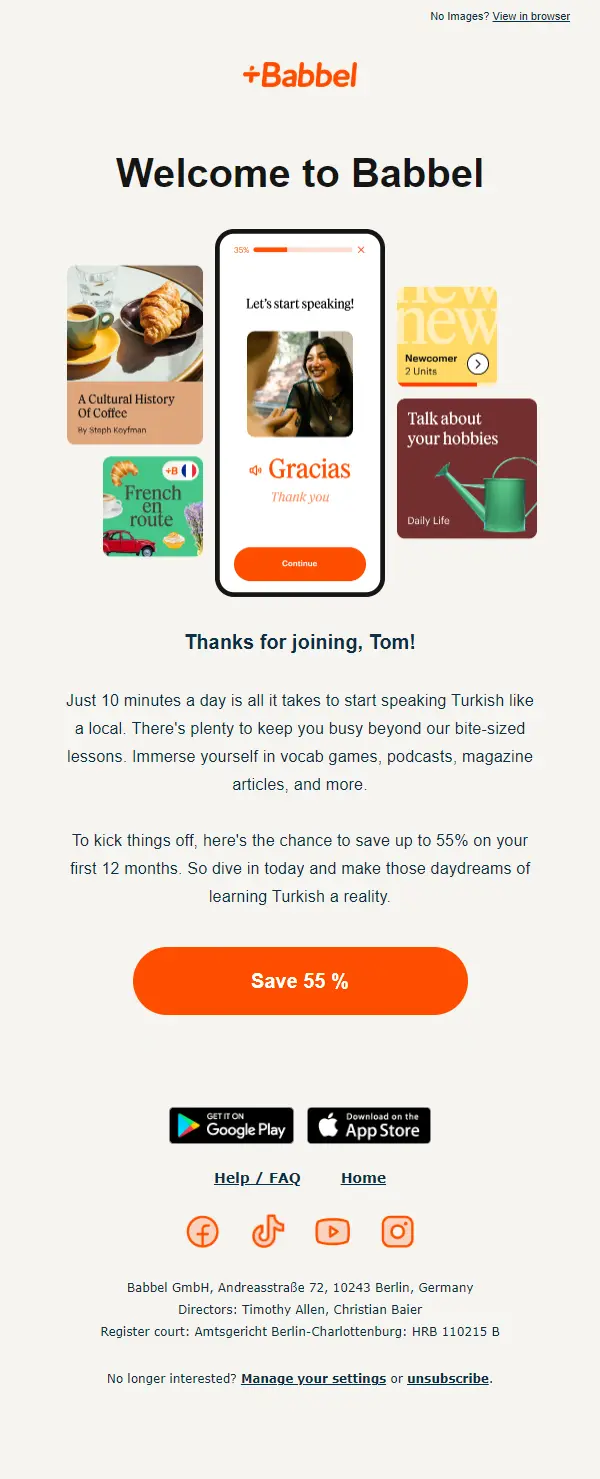
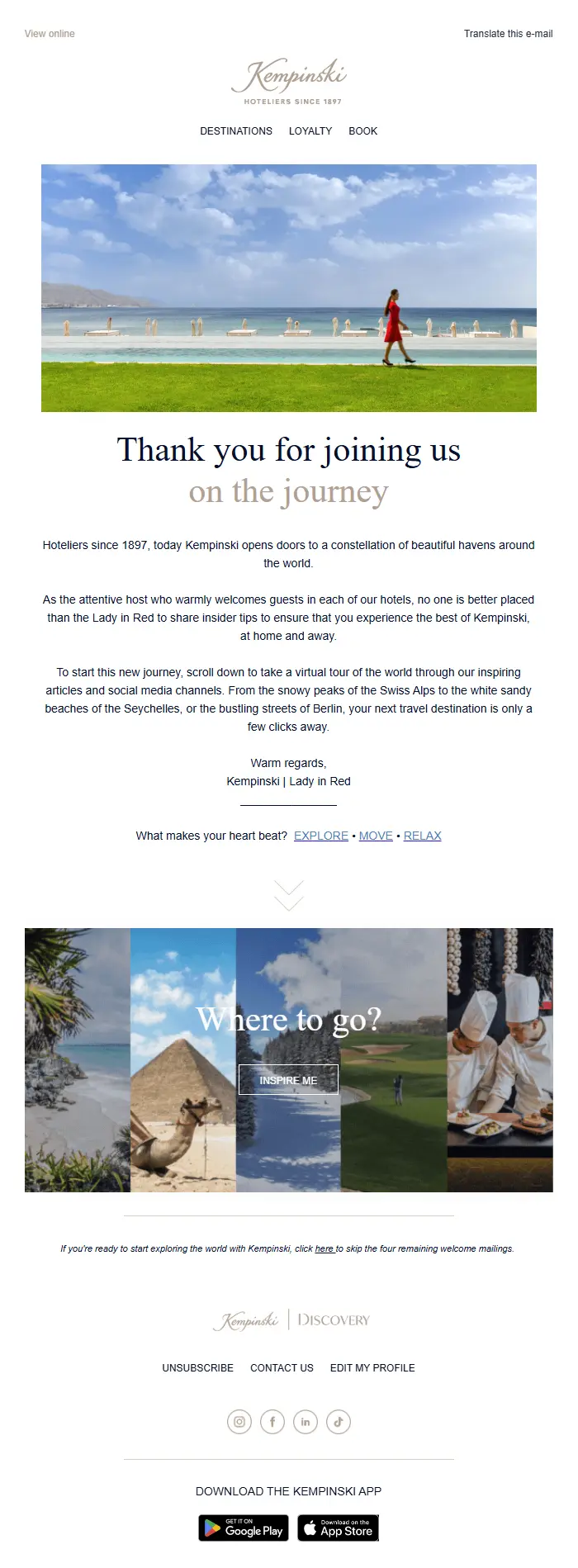
- Welcome series: sent immediately after sign up, while interest is highest
- Abandoned cart or browse recovery: for anyone selling online, this is usually the single highest converting automation a business can set up
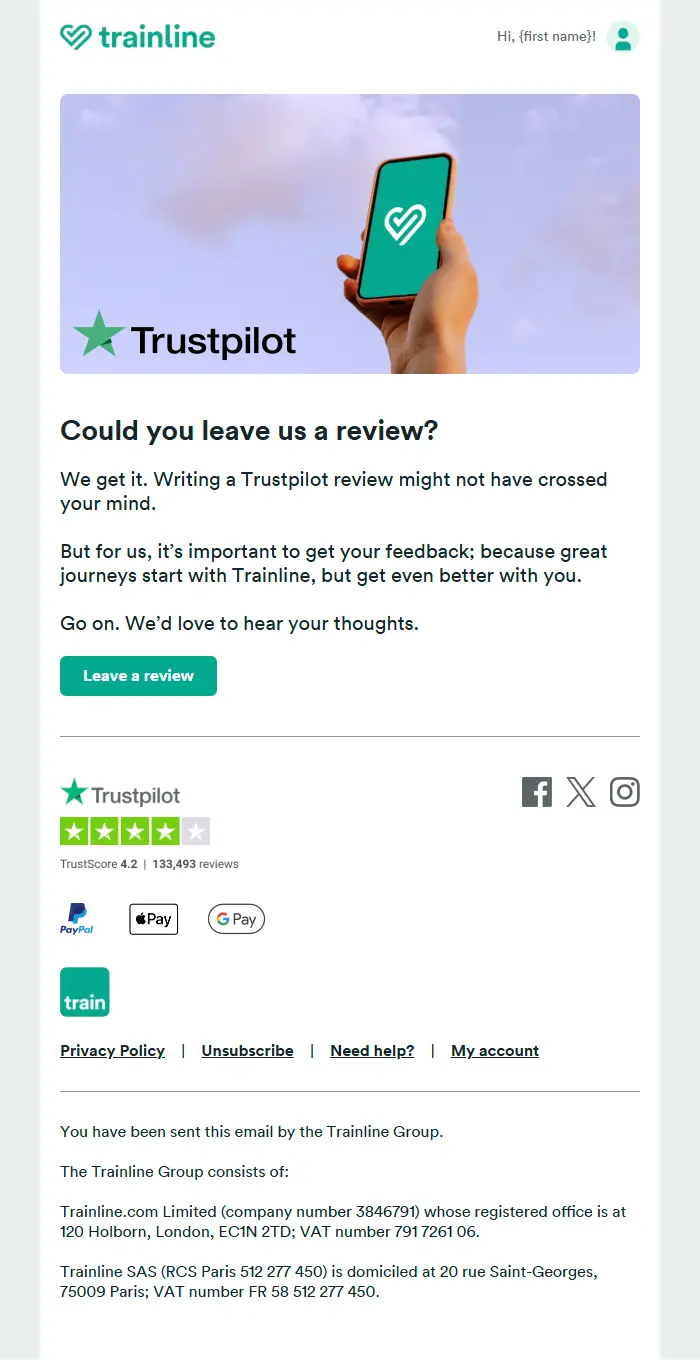
- Post purchase follow-up: a thank you, delivery update, and a well-timed request for a review
- Re-engagement: a short series aimed at subscribers who haven’t opened anything in several months, before they’re removed from the list
Platforms built for this, such as Spotler Mail+, let a small business set these flows up through a visual builder rather than needing a developer, which is usually the deciding factor in whether a small team actually gets around to building them.
Personalise beyond a first name
Good personalisation goes further than inserting a subscriber’s name into a subject line. It means the content of the email reflects what’s actually relevant to that person: the product they looked at, the category they usually buy from, or where they are in their relationship with the business.
This is where having customer data joined up in one place makes a practical difference. A customer data platform, such as Spotler Activate, pulls together browsing behaviour, purchase history, and email engagement into a single customer view, so a single template can automatically show the right product, price, or recommendation to each recipient rather than a marketing team building a separate email for every scenario.
For a small business without that kind of tooling yet, even basic personalisation, referencing a customer’s last purchase or their location for a UK-specific offer, tends to outperform a fully generic send.
Measure revenue and engagement, not just list size
A growing subscriber count feels like progress, but it isn’t the metric that reflects whether email marketing is actually working. The metrics worth tracking regularly are:
- Open and click rates, which indicate whether subject lines and content are landing
- Conversion rate per campaign or automation, the percentage of recipients who take the intended action
- Revenue per email or per recipient, particularly for ecommerce businesses
- Unsubscribe and complaint rate, an early warning sign that sending frequency or relevance has slipped
Reviewing these monthly, rather than only glancing at open rates after each send, is what allows a small business to notice a declining automation or a subject line pattern that consistently underperforms before it becomes a bigger problem.
Common mistakes small businesses make
- Treating email as a broadcast tool rather than a relationship channel, sending the same message to everyone regardless of relevance
- Buying or scraping contact lists, which damages deliverability and risks non-compliance with UK GDPR and PECR
- Never setting up basic automation, so every email requires manual effort and moments like cart abandonment go unaddressed
- Focusing on list growth while ignoring list health, so an increasing share of sends go to people who no longer engage
- Sending too frequently without varying content, which drives up unsubscribes without a matching increase in results
FAQ
How often should a UK small business send marketing emails?
There’s no universal number, but weekly to fortnightly is a common starting point for most small businesses. What matters more than frequency is consistency and relevance; a smaller number of well-targeted emails usually outperforms a larger number of generic ones.
Do UK small businesses need to worry about GDPR for email marketing?
Yes. UK GDPR and PECR apply to most marketing emails sent to UK contacts, and require clear consent, an easy way to unsubscribe, and accurate records of how consent was obtained.
What’s a good open rate for a small business email?
This varies significantly by industry, but many UK small businesses see open rates somewhere in the twenty to forty percent range for engaged lists, with automated, behaviour-triggered emails typically performing well above broadcast newsletters.
Is basic segmentation worth the effort for a very small list?
Generally, yes, even a list of a few hundred subscribers usually benefits from splitting by engagement or purchase history, since relevance tends to matter more than list size.
What should a small business automate first?
For most businesses, a welcome series and, if selling online, an abandoned cart or browse recovery sequence deliver the clearest early return, since both reach customers at a moment of high existing interest.
Summary
Good email marketing for a UK small business isn’t about sending more, it’s about sending to the right people, at the right moment, with content that reflects what they actually care about, while staying compliant with UK data rules and measuring results by revenue and engagement rather than list size. Getting the fundamentals right, permission-based lists, basic segmentation, a handful of automated flows, and regular measurement, tends to matter far more than which specific platform a business uses to send.
Want to know more? Check out our productpage or get a demo!