A newsletter subscriber is a person who has actively signed up to receive a brand’s newsletter, making a deliberate choice to have that brand’s content delivered to their inbox regularly.
This opt-in intent is what distinguishes a newsletter subscriber from a broader marketing contact: they have not simply provided their email address in exchange for a one-off resource or as part of a purchase process. They have specifically said they want the newsletter, which is a meaningfully higher signal of interest.
Newsletter subscribers tend to be among the most engaged contacts in a marketing database. Because they chose to subscribe, they typically have higher open and click rates and lower unsubscribe rates than contacts added through other means. They are also more likely to share content, respond to surveys, and engage with brand communications beyond the newsletter itself. For this reason, newsletter subscription is often one of the most valuable conversion goals a content programme can optimise for.
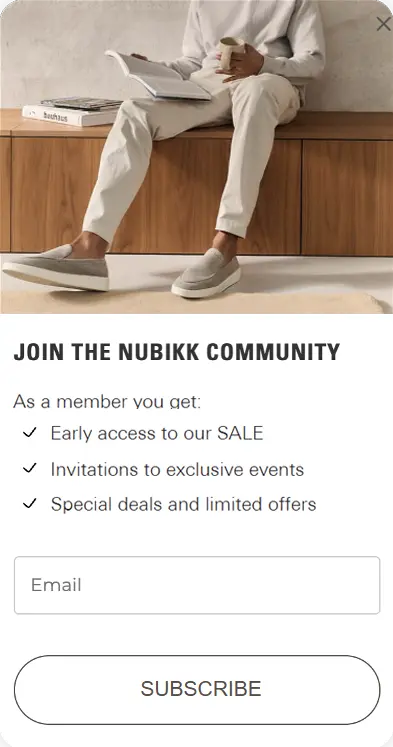
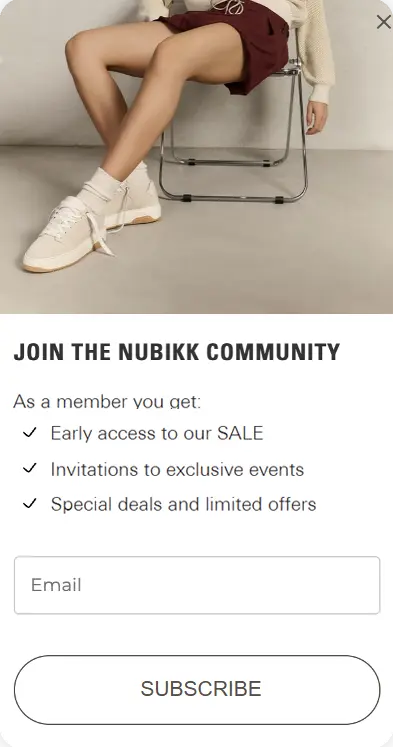
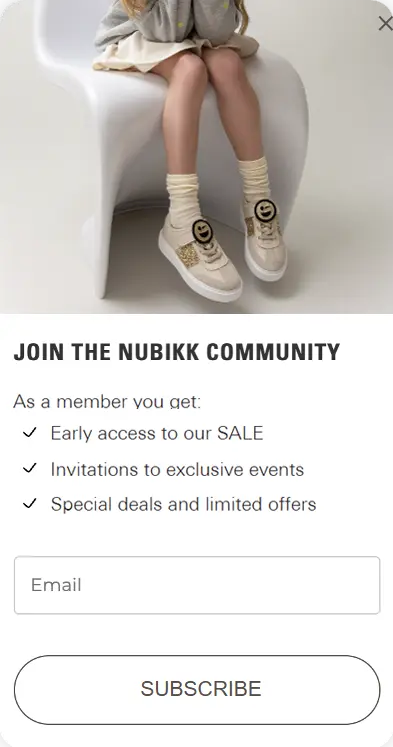
Examples of sign-up forms to attract more newsletter subscribers. (Nubikk)
For marketing teams, newsletter subscribers represent a self-selected audience interested in your expertise and perspective, even if they are not yet in an active buying cycle. Nurturing this audience well, delivering consistent value, and not overwhelming them with promotional content builds the kind of long-term brand trust that makes them more likely to think of you first when a buying need arises. The newsletter subscriber list is often the most valuable segment in the entire contact database.

A general marketing contact may have provided their email address for any number of reasons: downloading a guide, registering for an event, making a purchase, or being imported from a CRM. A newsletter subscriber has specifically opted in, indicating a higher level of interest in your content and brand. This distinction affects how you should communicate with them: newsletter subscribers expect regular, content-led emails rather than promotional campaigns, and mixing the two without care can erode the trust that made them subscribe in the first place.
Subscriber retention comes down to consistently delivering on the promise that made them sign up. If they subscribed for industry insights, give them genuinely useful insights rather than thinly veiled product promotion. Make each issue worth opening by ensuring the content is relevant, well-written, and respects their time. Monitor unsubscribe rates by issue to identify when content quality or relevance has dipped. Periodically re-engaging long-inactive subscribers with a specific re-permission campaign and removing those who remain unresponsive keeps the active subscriber base healthy and engaged.
Yes. Newsletter subscribers warrant their own segment or list in your CRM and email platform, separate from general marketing contacts. This allows you to track newsletter-specific engagement metrics, apply different send logic (such as suppressing promotional campaigns from going to pure newsletter subscribers unless they have also shown buying intent), and measure the newsletter’s contribution to pipeline and revenue independently. Treating newsletter subscribers as a distinct audience also makes it easier to personalise the experience and maintain the content-first relationship that makes newsletter subscription valuable in the first place.
Happy Mother’s Day? Well, not for some, and brands offering real preference control are doing the right thing. Read what you can do.
What is email marketing? What are the advantages and disadvantages? In this article we explain in detail what it is and what you can do with it.
Rituals recruits new members for their Loyalty Program in a smart and simple way via their stores and WhatsApp. Want to know how?