



Black Friday and the winter sales bring a surge of new visitors to your website. Most arrive for a discount code, not because they have a relationship with your brand. Yet. They are still worth keeping: with the right follow-up you can re-engage them months later, well into the off-season. That takes three things working together: a well-timed sign-up moment, a welcome that sets expectations, and a preference centre where people tell you more about themselves.
During the 2025 Black Friday, websites saw a 103% surge in visitors versus their regular daily averages (eCommerce Germany, 2025). Shoppers spend more too: in 2025, 28% of Dutch shoppers bought more during Black Friday than they otherwise would (DHL, 2025). Across Europe, that figure is around 33%.
That traffic is also a list-growth opportunity. A share of those extra visitors will hand over an email address in exchange for a deal. Opt-in rates tend to rise when there is a strong offer on the table (Shopify). On paper, the peak period fills your database faster than any other time of year.
However, most of those visitors came looking for a voucher code, not because they love your brand. A sign-up driven purely by a one-off discount is fragile. The moment the code is used, the reason to stay can disappear with it.
So retaining these visitors takes more than the right technical set-up, such as the right forms and the right campaigns. The real question comes first: once the peak has ended, is there something on offer that makes staying subscribed worthwhile? All steps below work best when the answer is yes.
Retention begins long before the first email. It begins with how, where, and why someone joins your list in the first place.
Decide where to place them. Put your pop-ups and forms where traffic and intent are both high, rather than on every page by default:
Give a real reason to join. ‘Subscribe to our newsletter’ is not a reason. Offer something a shopper actually wants:
Include the right elements. The anatomy differs slightly by format:
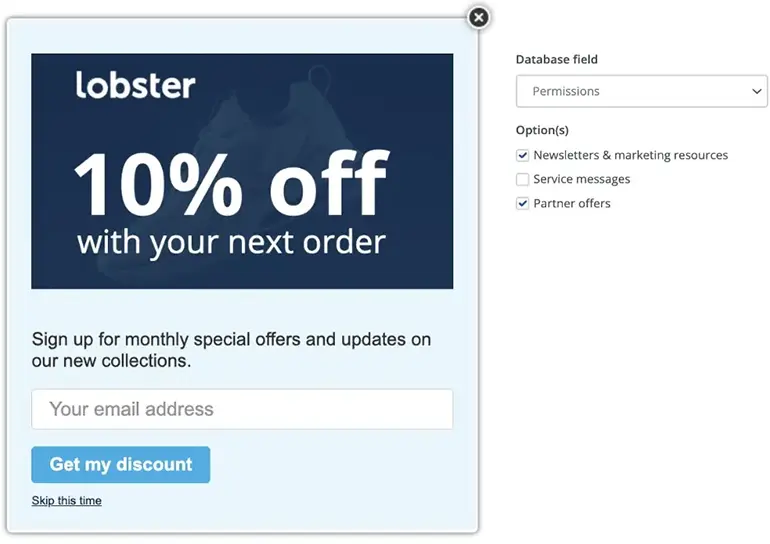
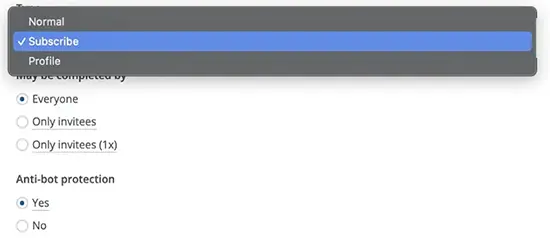
That last point matters more than it looks. A sign-up that is not tied to the right permission is an address you cannot legitimately use, however keen the shopper was in the moment.

Normally, a new subscriber is never more engaged than in the minutes after they join. But during a peak period they may have signed up alongside dozens of other brands in one session. So your first email has to earn its place quickly.
Don’t let a new sign-up sit in silence until your next newsletter. A welcome campaign, sent automatically the moment someone subscribes, does three jobs:
For the mechanics of building this as an automated flow, see our guide to automated email sequences triggered by customer actions.
The welcome is also your best chance to turn a one-line sign-up into a richer profile. Rather than guessing, invite the new subscriber to tell you how they want the relationship to work. This is the job of a preference centre, and it rests on three distinct things:
Each of these does something different. Together, they are what lets you keep sending relevant emails once the peak is over.
In Spotler Mail+, a preference centre is a profile form that lets contacts manage their own subscriptions. For each type of communication, they choose what they do and don’t want to receive, across channel, frequency, and topic. You can add these forms to landing pages created in Mail+.
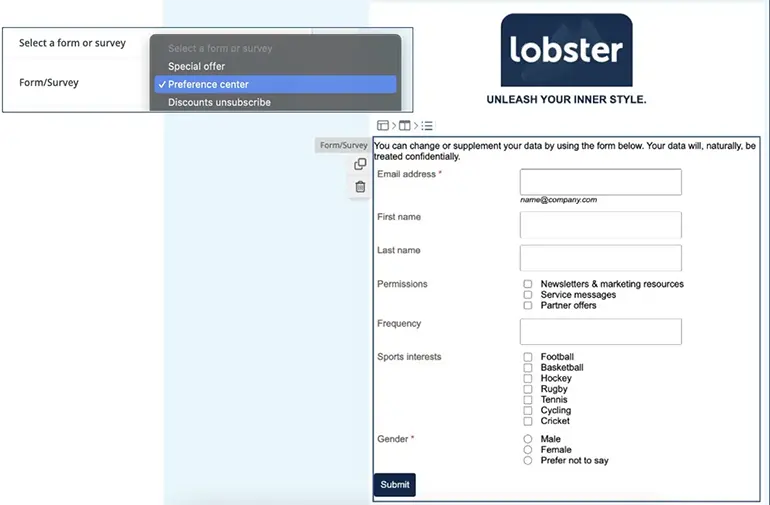
Most teams use it for one thing only: unsubscribes. After a peak-season sale it can do much more. It is your chance to learn about the hurried buyers who signed up for a deal. You can turn a bare email address into a profile you will use for months. Built well, it is one of the most valuable retention tools you have.
When subscribers tell you what they care about, you stop broadcasting and start sending emails that are relevant. That brings direct, compounding benefits:
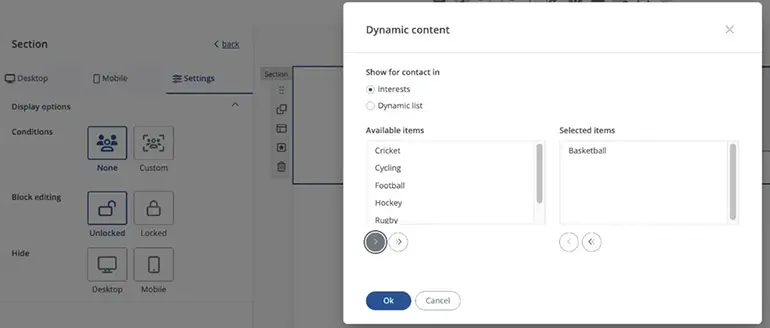
A complete preference centre covers all three elements above, plus a considered approach to opting down:
The payoff is more than tidier data. It shows up in performance:
This matters most around a peak period, when volumes spike. A sudden surge of mail to a freshly inflated, poorly segmented list is exactly the pattern that pushes email into spam. For the full picture on how placement is decided and protected, see our guide to inbox placement.
Permissions are the engine underneath all of this. The forms, the welcome, the preference centre, the interest-driven campaigns: they all depend on permissions working correctly in the background. Permissions decide who you can email, about what, and on what legal basis. Get them right and the rest compounds. Get them wrong and even the best campaign cannot send.


